
The Golden Ratio
The Golden Ratio is a mathematical ratio that both artists and architects use to create strong compositions and artwork that is pleasing to the eye. While the term “Golden Ratio” wasn’t coined until the 1800s, this same ratio has shown up in artwork/architecture for centuries.
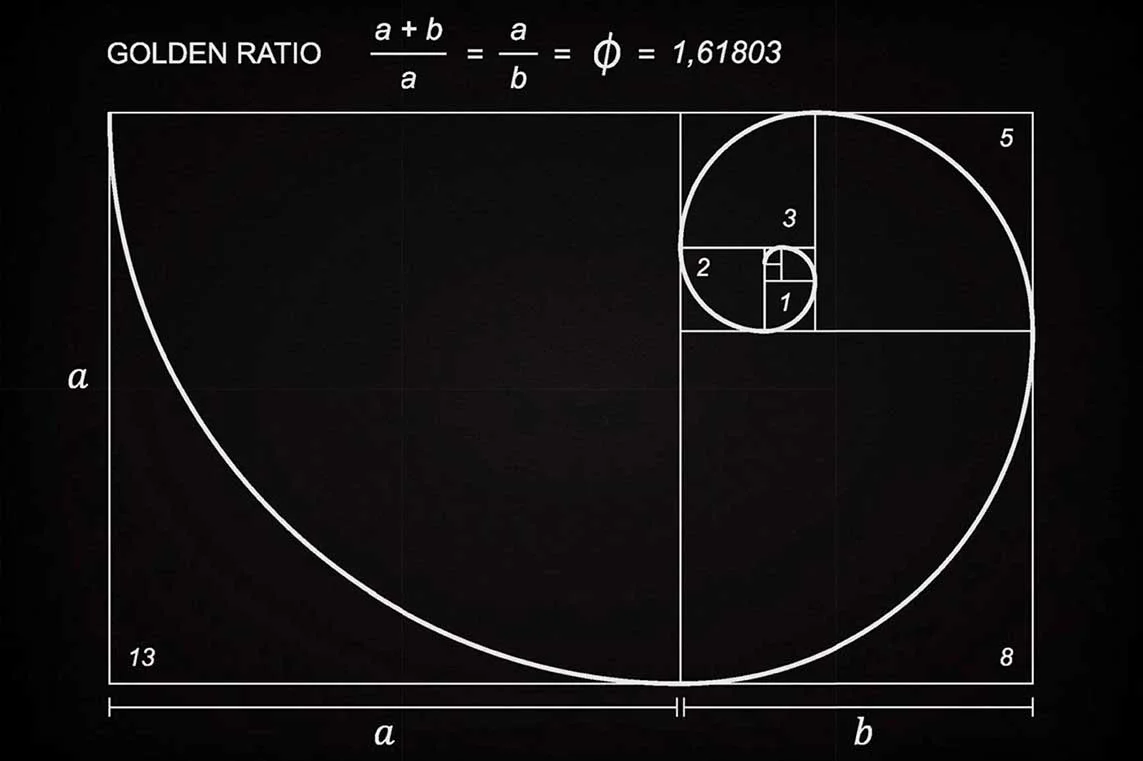
I know what you’re thinking: “But, Mrs. Forrester, this is an art class not a math class.” And I’m with you there, because all I see is a swirl. The rest of the numbers don’t mean much to me. So I’m letting you translate it in your own way.
If you are a mathematical person: You can choose to translate the above image as it is intended. The exact ratio is 1:1.618, or Phi.
If you are a visual person: You may choose to use the following images to interpret the Golden Ratio. Note how there is little subject matter on the edge of the image, leading to a dense diversity of multiple elements (colors, values, etc.).
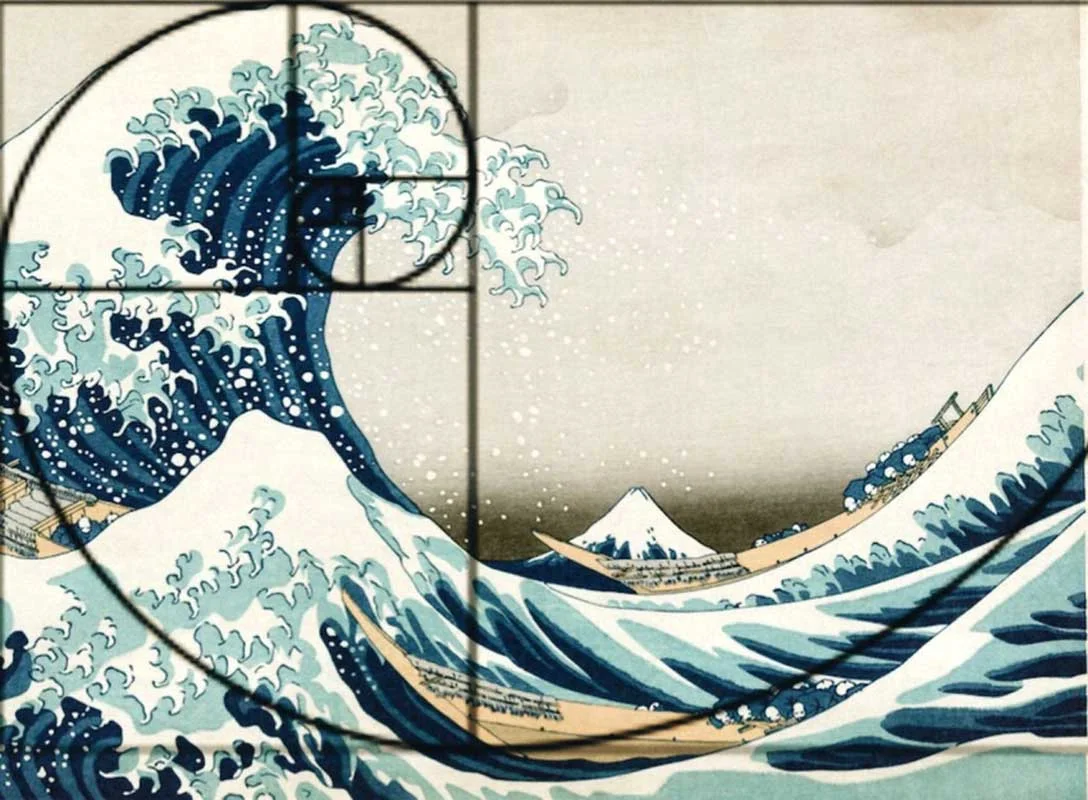
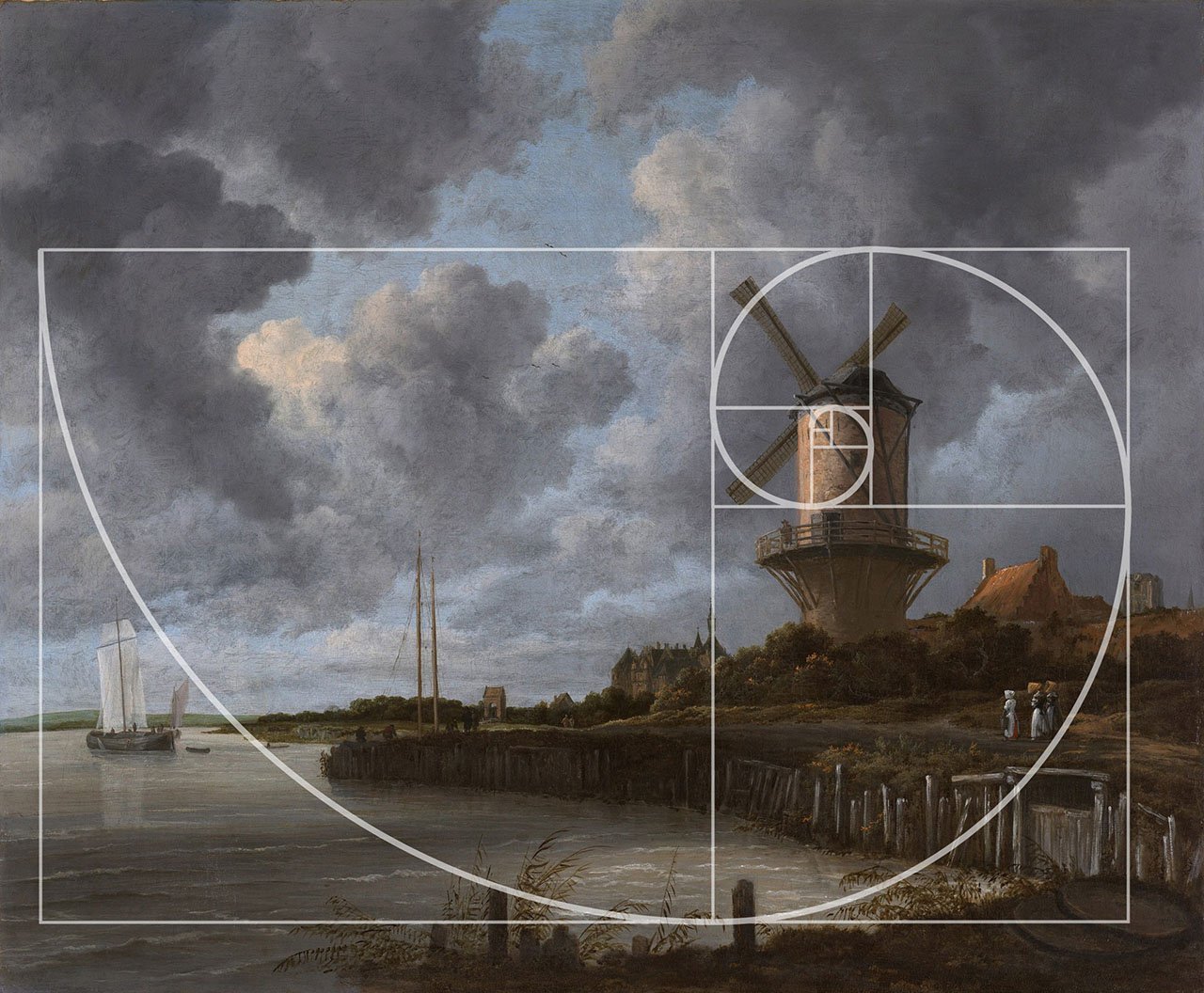
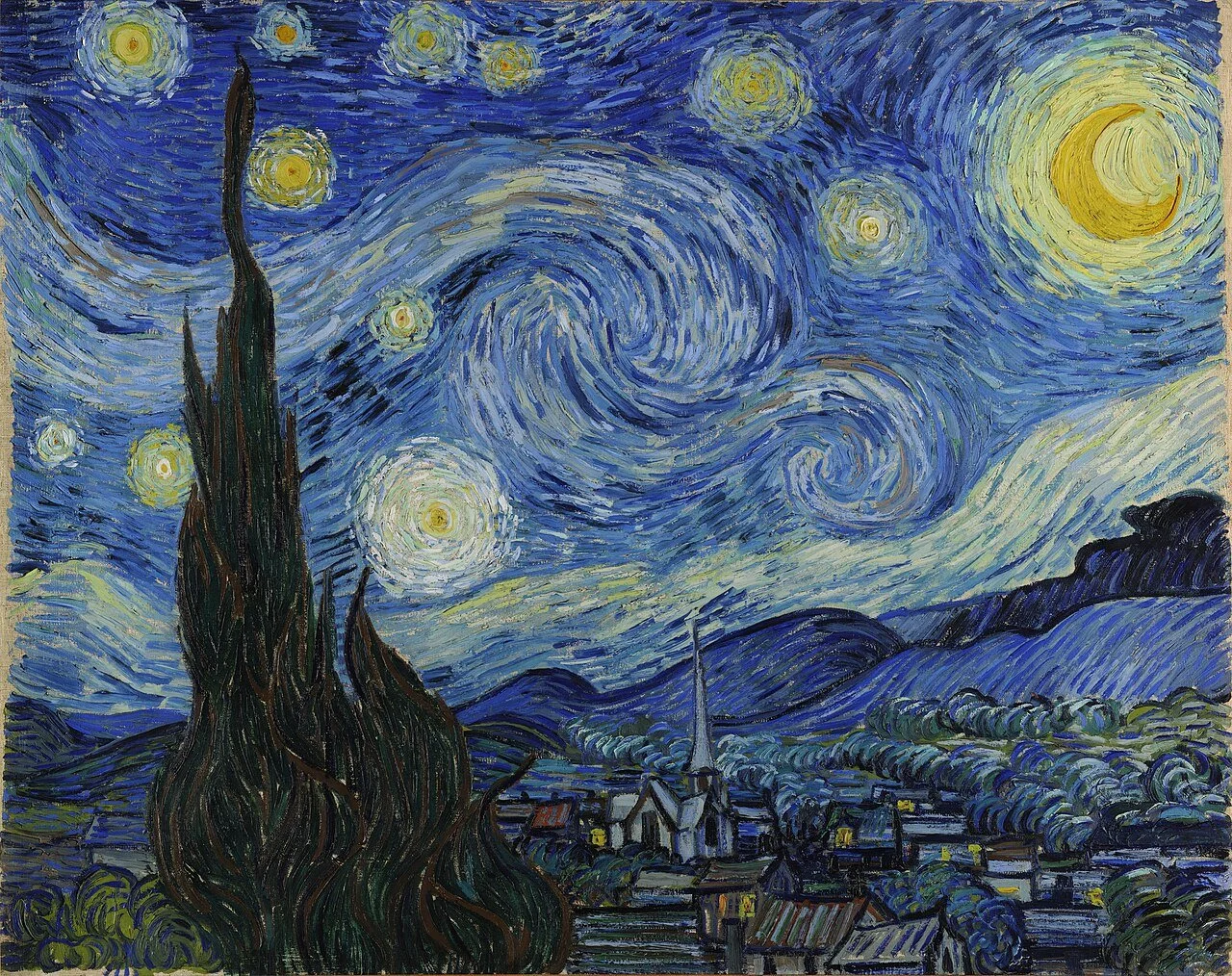
Take a look at Starry Night by Van Gogh. Can you see the Golden Ratio in this image? Take a look at the other images Mrs. Forrester gave you. Draw the Golden Ratio on them with a red marker.
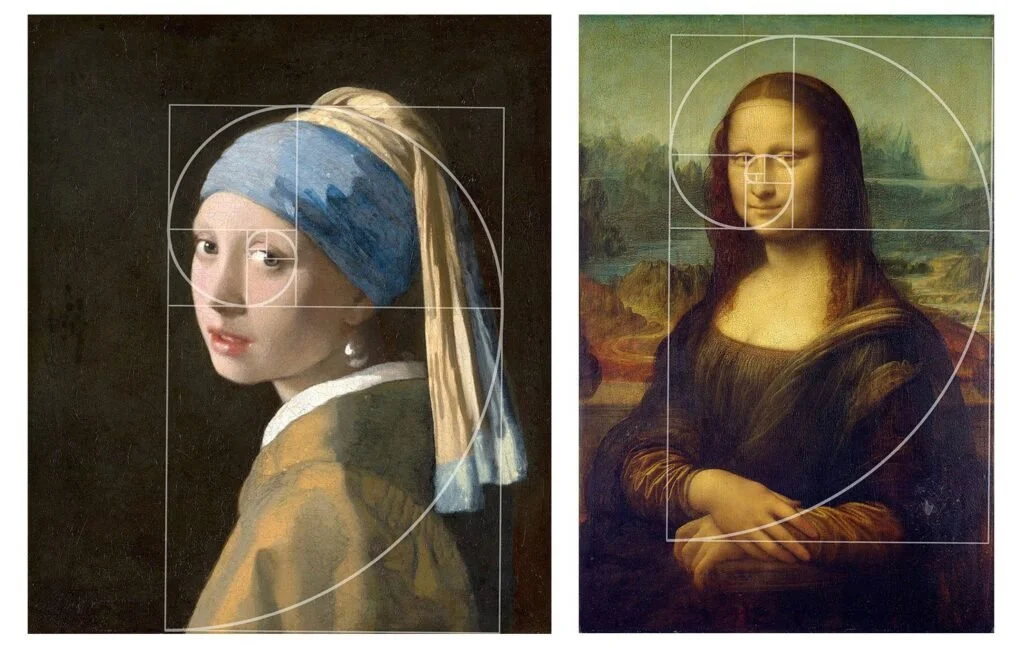
The Golden Ratio is also very useful when creating portraits, like the two above. When you create your portrait, think of the Golden Ratio as you do so, and it will help you create a more visually appealing piece.
Why does it create visual appeal?
According to research, it’s all in our instincts. We are naturally drawn to these proportions, as it allows us to faster process things in a visual manner. The Golden Ratio also creates both harmony and balance, two very important artistic principles.
